Lebanon Top Hardscaping Services for Custom Landscape Design
Lebanon Top Hardscaping Services for Custom Landscape Design
Blog Article
Hardscaping Services: Beautify Your Patio Area With Elegant Features
Hardscaping solutions play a vital role in reshaping outdoor areas. By adding features such as patios, walkways, and fire pits, these services improve both practicality and aesthetic appeal. The appropriate materials can boost drainage and create welcoming environments for leisure. However, comprehending the various aspects of hardscaping is essential for making informed decisions. Which elements should one emphasize, and how can they truly increase a property's value? Investigating these considerations reveals more to ponder.
Understanding Hardscaping and Its Significance
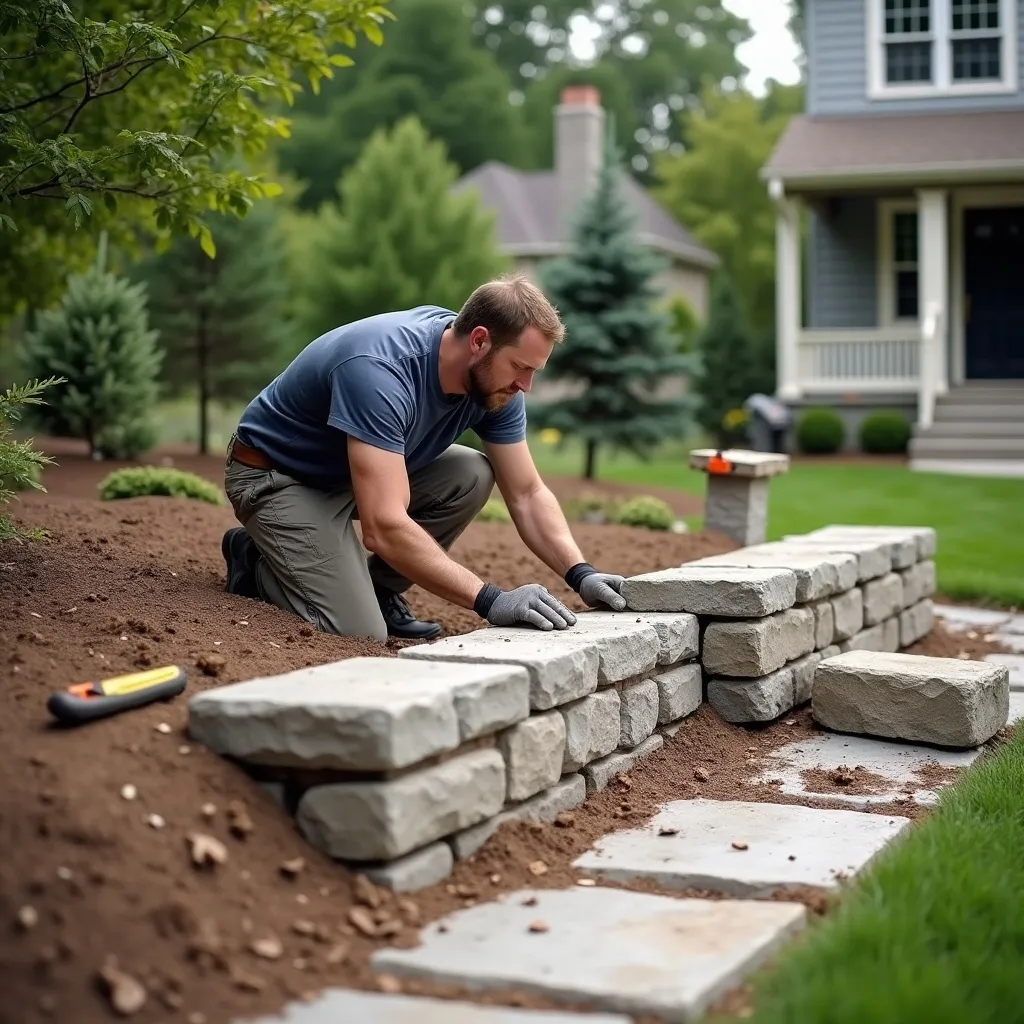
Hardscaping denotes the non-plant elements of landscape design, encompassing components such as patios, walkways, and retaining walls. This element serves an important function in outdoor spaces, providing structure and functionality. By utilizing hardscaping, homeowners can design defined areas for relaxation, entertainment, and navigation, improving the overall usability of a yard.
Additionally, hardscaping components strengthen the visual attractiveness of a garden setting, creating visual relief to greenery and seasonal plants. They can be constructed in various styles and materials, supporting personalized expression that aligns with the structural design of a home.
Moreover, hardscaping improves water drainage and soil erosion prevention, decreasing landscape care and safeguarding the structural soundness of the surrounding environment. Overall, it acts as a foundational aspect of landscape architecture, uniting beauty with utility, and ensuring that outdoor spaces are both appealing and enduring.
Essential Landscape Features for an Welcoming Outdoor Space
Designing an inviting exterior space often copyrights on adding critical landscaping features that boost both functionality and aesthetic charm. Crucial parts like patios, walkways, and retaining walls provide structure and order, steering movement throughout the landscape. Patios serve as social hubs for gatherings, whereas walkways create safe routes, connecting different areas seamlessly.
Adding features like fire pits or outdoor kitchens can elevate social interactions, offering warmth and culinary experiences under the open sky. Additionally, decorative stones, gravel, or mulch can be used to outline garden beds and pathways, adding texture and contrast.
Water additions, such as fountains or ponds, introduce gentle audio and a sense of tranquility. Finally, ideally positioned lighting enhances safety while emphasizing architectural details during the evening hours. Altogether, these hardscaping elements contribute to a integrated, attractive environment that fosters outdoor enjoyment.
Tips for Choosing the Finest Materials for Your Hardscaping Work?
Taking into account correct components for hardscaping projects is essential for achieving resilience and aesthetic value. Dwelling owners should evaluate aspects such as climate, maintenance see the facts demands, and the intended use of the space. For example, natural stone offers a classic feel and superior strength, making it suitable for terraces and walkways. Conversely, concrete pavers present versatility in composition and hue, while being cost-effective.
Furthermore, the selection between permeable and impermeable materials can affect water management and landscaping. Permeable alternatives, like permeable pavers, permit water to seep, reducing runoff and erosion.
It is additionally crucial to select materials that fit existing structures and the overall landscape. By harmonizing the hardscape features with the home’s architecture and surrounding greenery, a harmonious and inviting outdoor space can be created. Ultimately, the correct materials will not only enhance aesthetics but also ensure long-lasting functionality.
Creating Practical and Beautiful Outdoor Areas
Turning outdoor spaces into functional and aesthetic areas demands a thoughtful approach that balances styling with utility. Effective hardscaping incorporates pathways, patios, and retaining walls that provide both usability and visual appeal. By choosing materials that harmonize with the surrounding landscape, homeowners can create a seamless transition between constructed and natural environments.
Including amenities such as seating areas, fire features, or garden cooking areas maximizes the practicality of the space while promoting social engagement. Additionally, proper attention to moisture control and lighting guarantees that the area stays safe and workable in diverse conditions.
Strategically placed vegetation and ornamental rocks can reduce sharp lines, adding a touch of nature to the layout. Ultimately, a carefully designed outdoor area not only showcases personal taste but also supports everyday activities, rendering it a worthwhile extension of the home.
Hardscape Maintenance Recommendations for Lasting Results
Maintaining hardscaping elements is important for securing their longevity and aesthetic appeal. Regular cleaning routines and seasonal inspections combined with prompt repairs of any damage play important functions in preserving these outdoor structures. By following these care guidelines, homeowners can enhance both the durability and appearance of their hardscaped areas.
Consistent Sanitation Practices
Regular cleaning practices greatly enhance the durability of hardscape elements. Routine maintenance prevents the accumulation of dust, particles, and natural matter that can cause discoloration and decay. Sweeping surfaces regularly keeps free debris at bay and reduces the risk of algae or moss development. For more stubborn stains, a mild pressure washing can successfully eliminate grime without damaging the surface. Additionally, applying a pH-neutral cleaner guarantees that the stability of the hardscape is maintained. It is also essential to inspect seams and joints for any signs of damage or wear, as these zones may require more concentrated maintenance. By adopting these methods, homeowners can maintain the aesthetic appeal and structural integrity of their exterior areas.
The Vital Role of Cyclical Evaluations
Performing regular inspections is key for the longevity of hardscaping elements. These checks allow property owners to spot wear and tear caused by changing weather conditions, such as freeze-thaw cycles or heavy rainfall. Regular inspections ensure that joints, pavers, and retaining walls stay firm and free from cracks or shifting. Furthermore, evaluating drainage systems is crucial to avoid water accumulation, which can cause structural damage over time. Seasonal evaluations also give chances to clean surfaces and deal with any minor issues before they turn into major repairs. By focusing on these inspections, homeowners can preserve the aesthetic appeal and functionality of their outdoor spaces, ultimately extending the duration of their hardscaping investments.
Repairing Issues Immediately
Tackling damage without delay is important for maintaining the structural integrity of hardscaping structures. Disregarding minor defects, like breaks in paving stones or unstable boundary walls, can lead to worse issues as time passes. Routine maintenance checks assist in identifying these problems early on, making it possible to perform quick repairs that protect homeowners from major replacements. For example, filling fractures using suitable products enhances looks and blocks moisture seepage, which leads to more damage. Repositioning bricks also boosts security and usability. Property owners must also think about seasonal damage, tackling any deterioration before severe weather conditions worsen the problem. Through focusing on quick repairs, the durability and aesthetic appeal of hardscaping structures can be properly preserved. or unstable boundary walls, may lead to more severe problems over the long term. Periodic inspections help identify these concerns early on, enabling timely fixes that keep homeowners from costly replacements. To illustrate, sealing breaks with appropriate products improves looks while blocking moisture seepage, which leads to additional deterioration. Repositioning pavers strengthens safety and performance. Property owners must consider weather-related deterioration, tackling any wear before extreme environmental factors amplify the situation. Through prioritizing timely fixes, the longevity and visual appeal of hardscaping features remains properly preserved
Hardscaping's Power to Improve Home Value
Hardscaping considerably increases property value by enhancing curb appeal and creating functional outdoor spaces. Well-designed patios, walkways, and retaining walls not only draw potential buyers but also provide practical areas for entertainment and recreation. These improvements can lead to a higher return on investment for homeowners.
Improved exterior appearance
While many property owners look for ways to improve their homes, incorporating hardscaping elements can greatly elevate curb appeal. Features such as rock walkways, retaining walls, and decorative patios form a pleasing exterior that draws in potential buyers. The aesthetic appeal of skillfully crafted hardscaping not only enhances landscaping but also sets a distinct tone for the property. Additionally, quality materials and craftsmanship can signal to buyers that the home has been well-maintained, further boosting perceived value. Properly implemented hardscaping not only enhances visual appeal but also adds to a cohesive design, making the home shine in the neighborhood. Ultimately, these improvements can lead to a significant boost in property value, making hardscaping a worthwhile investment for homeowners.
Versatile Outdoor Environments
Crafting quality exterior environments via landscape construction can dramatically enhance a home's financial worth. By integrating amenities such as patios, walkways, and retaining walls, homeowners can increase usability and visual appeal. These hardscaped outdoor zones furnish flexible environments for entertaining, relaxation, and recreation, making the property more attractive to potential buyers. Additionally, carefully planned hardscaping can better manage drainage and lower maintenance costs, further appealing to prospective homeowners. Properties featuring well-functioning outdoor spaces often stand out in the real estate market, as they allow for a seamless blend of indoor and outdoor living. All things considered, committing to landscape development not only improves visual appeal of a property but also contributes considerably to its market value, making it a prudent choice for homeowners.
What Important Details to Inspect When Employing Professional Hardscaping Providers?
When looking for expert hardscaping solutions, what important considerations should be evaluated to ensure a completed project? First, an reputable contractor should possess appropriate licenses and insurance to assure responsibility and safeguarding against potential liabilities. In addition, reviewing a portfolio of past projects offers insight into the quality and style of work. Client testimonials and references can additionally confirm the contractor's reliability and professionalism.
Additionally, gathering several quotes enables for an improved comprehension of pricing standards and helps in making well-researched decisions. It's crucial to evaluate the contractor's expertise with particular products and designs, verifying they can meet unique project needs. Communication skills also play a important role; a contractor should be open to discussing ideas, timelines, and budgets. Finally, ensuring that the contractor provides a comprehensive written contract can avoid misunderstandings and outline project requirements, leading to a more seamless execution.
Common Questions Asked
What Is the Average Rate of Hardscaping Services?
The typical price of hardscape work fluctuates, generally ranging from $15 to $50 per square foot. Elements influencing pricing encompass materials, labor costs, complexity of the project, and regional variations in market pricing, impacting total investment needs for property owners.
What Period Can You Expect for a Hardscaping Project?
A hardscaping project usually requires anywhere from a few days to several weeks, based on the project's intricacy, size, and the materials used. Climate factors and crew availability can also affect the timeline significantly.
Can You DIY Hardscaping Yourself or Is expert help Essential?
Hardscaping can be tackled yourself, but expert support is often encouraged for challenging work. Technical proficiency guarantees durability and aesthetics, while novice efforts may produce costly mistakes, weakening the complete caliber and sustained life of the installation.
What weather factors should you account for for hardscape installations?
Seasonal factors for hardscaping projects include temperature fluctuations, rainfall, and ground conditions. Spring and fall are optimal for installation, while winter can complicate materials and drainage. Planning ahead guarantees durability and aesthetic appeal throughout the year.
What Licenses Are Required for Hardscaping Installations?
Permits for hardscaping installations typically include zoning authorizations, construction licenses, and possibly ecological authorizations, depending on municipal guidelines. Homeowners should reach out to their local authority to confirm compliance with all legal requirements before commencing any project.
Report this page